Trigeminal Neuralgia Treatment Near Me | New York City
If you’re searching “trigeminal neuralgia treatment near me” in New York City, chances are the pain is interfering with your life. Trigeminal neuralgia (TN) can feel like sudden electric shock-like facial pain, often triggered by everyday things like talking, chewing, brushing your teeth, or a light touch.
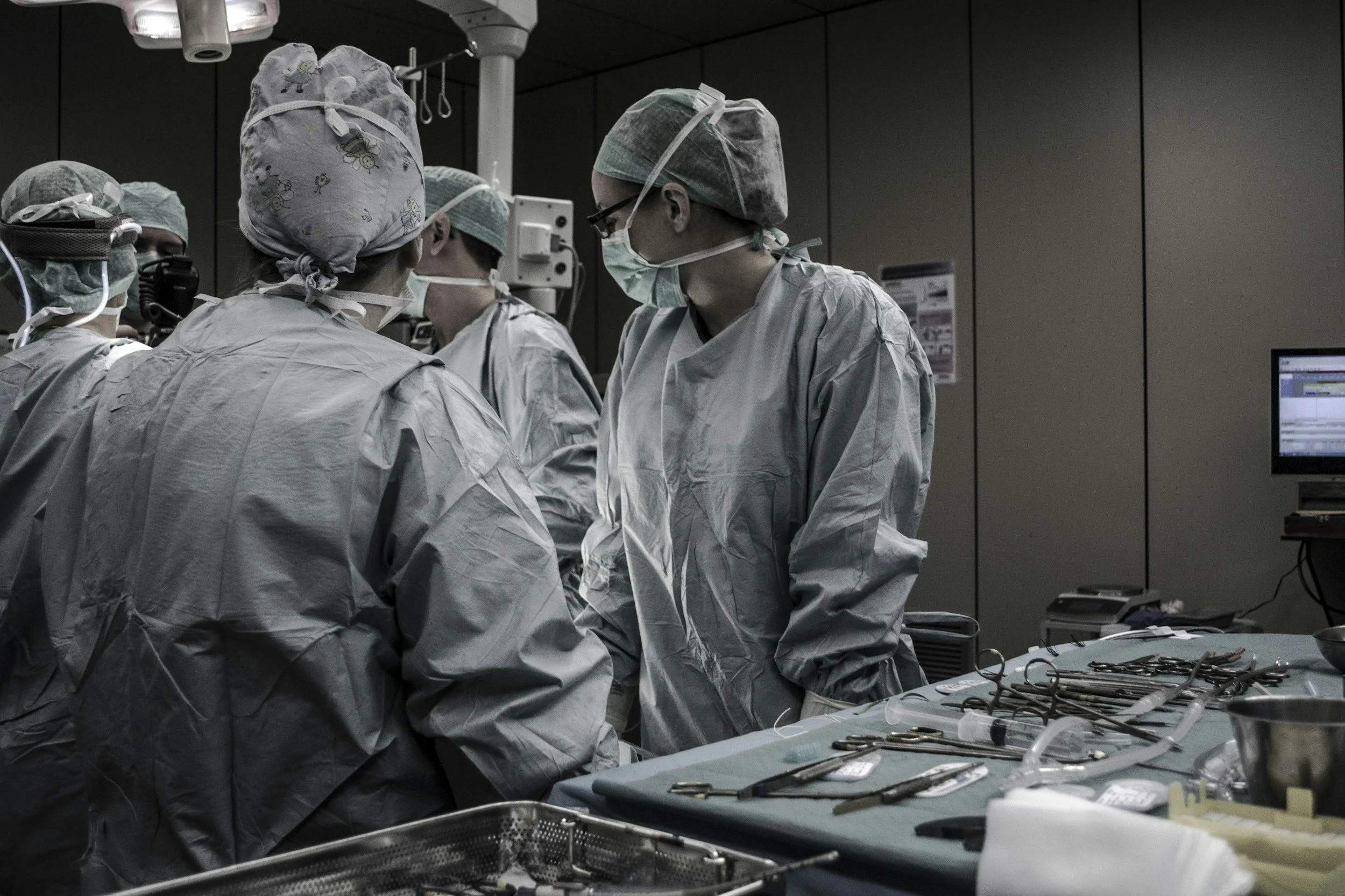
Dr. Babu is a New York City neurosurgeon who evaluates trigeminal neuralgia and helps patients understand their options, from medication to advanced procedures when symptoms don’t respond or side effects become too severe.
Do I have trigeminal neuralgia?
Trigeminal neuralgia is defined by recurrent, brief attacks of severe facial pain in one or more branches of the trigeminal nerve. The pain is commonly described as sharp, stabbing, shooting, or electric and is often triggered by harmless stimulation (like touching the face or eating).
Common patient descriptions include:
“Lightning bolt” pain in the cheek, jaw, teeth, or around the eye
Short bursts lasting seconds (sometimes up to 2 minutes) that can repeat many times a day
Triggers like brushing teeth, shaving, washing your face, makeup, talking, chewing, wind, or light touch
Not all facial pain is trigeminal neuralgia. Conditions like dental problems, TMJ disorders, migraine-type disorders, or other nerve pain can mimic TN, which is why careful evaluation matters.
Why trigeminal neuralgia happens
The most common cause of classic TN is pressure on the trigeminal nerve near the brainstem, usually by a nearby blood vessel. Over time, that pressure can irritate the nerve and contribute to pain attacks.
Sometimes TN can be linked to another condition (for example, multiple sclerosis or a tumor affecting the nerve), which is one reason imaging is often recommended as part of the workup.

Getting a clear diagnosis in NYC
Trigeminal neuralgia is often diagnosed based on your history and symptom pattern, plus a focused neurological exam.
Imaging: why an MRI is often important
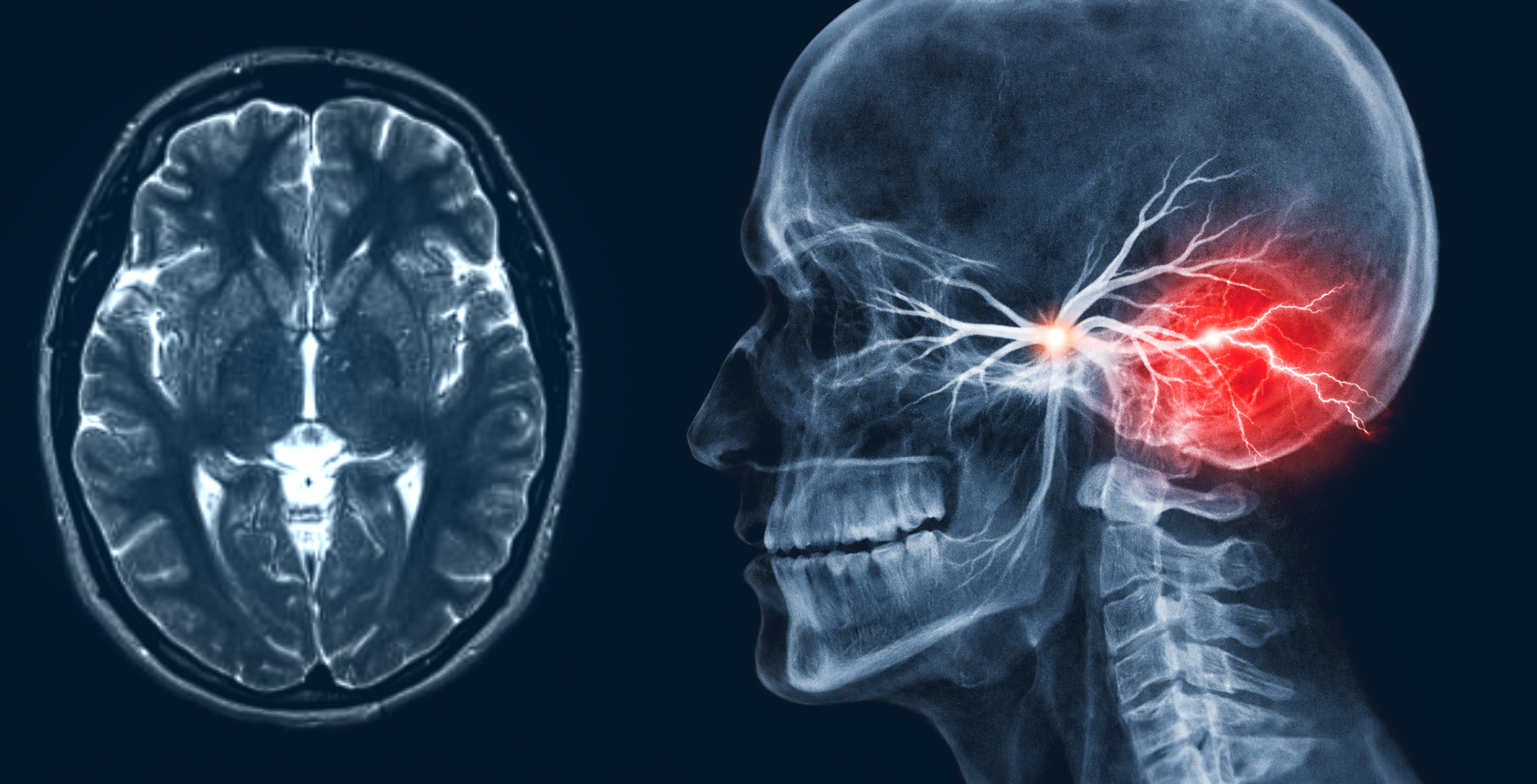
An MRI helps check for potential causes such as neurovascular compression and also helps rule out structural causes like tumors or multiple sclerosis-related changes.
For suspected TN, many specialists use high-resolution MRI techniques designed to visualize the trigeminal nerve and nearby vessels (often including heavily T2-weighted 3D sequences like CISS/FIESTA/DRIVE, plus vascular imaging).
What to bring to your appointment with Dr. Babu (NYC):
MRI/CT images (actual discs or digital access) and radiology reports
A list of current/past medications and side effects
Prior dental work notes if relevant (extractions, root canals, implants)
A quick “trigger log” (what sets it off, how long attacks last, where it hits)
Trigeminal Neuralgia Treatment Options
There isn’t one single “best” treatment for everyone. Care usually follows a stepwise path: confirm the diagnosis, start effective medication when appropriate, then consider procedures if pain continues or medication side effects become limiting.
1) Medication options (often first-line)
Guidelines commonly recommend carbamazepine or oxcarbazepine as first-line medications for trigeminal neuralgia.
These medicines can be very effective, but they can also cause side effects (like sleepiness, dizziness, imbalance, or lab abnormalities). Your prescribing clinician will guide dosing and monitoring.
A key safety note about carbamazepine
Carbamazepine carries a rare but serious risk of severe skin reactions (SJS/TEN). The FDA label highlights the link with HLA-B*15:02, particularly in people with ancestry from parts of Asia. Your clinician may recommend genetic screening depending on your background and risk profile.
2) When medication is not enough
If pain persists despite optimized medication, or if side effects become unacceptable, you may be a candidate for procedural treatment. This is common enough that many care pathways explicitly discuss moving to procedures when medication fails or isn’t tolerated.
Depending on your diagnosis subtype (classic TN with neurovascular conflict vs other forms), the recommended procedure can differ.
Procedures and surgery for trigeminal neuralgia in New York City
Microvascular Decompression (MVD)
MVD is a surgical procedure that relieves pressure on the trigeminal nerve by moving the compressing vessel away from the nerve and placing a protective cushion. It is often considered the preferred surgical option for classic trigeminal neuralgia with neurovascular compression, especially in patients who can safely undergo surgery.
Why patients consider MVD:
It targets the underlying compression (when present)
It aims for durable relief while preserving facial sensation when successful
Percutaneous procedures (through the cheek)
These are minimally invasive procedures performed by accessing the trigeminal nerve through the cheek with a needle or small tube. The NHS describes several percutaneous approaches used for TN, often offering meaningful relief, though sometimes with tradeoffs like facial numbness.
Common percutaneous approaches include:
Radiofrequency lesioning (thermocoagulation)
Balloon compression
Glycerol rhizolysis
Stereotactic radiosurgery (SRS)
SRS is a non-incisional procedure that targets a precise area of the trigeminal nerve. It can be an option for patients who want a less invasive treatment or who are not ideal candidates for open surgery.

Which treatment is right for me?
When Dr. Babu evaluates trigeminal neuralgia, the decision typically depends on:
Whether symptoms match classic TN criteria
MRI findings (including whether neurovascular compression is seen)
Your medication response and side effects
Your overall health and preferences for invasiveness, recovery time, and tradeoffs
Why patients choose Dr. Babu in New York City
Patients searching for a trigeminal neuralgia specialist near me in NYC often want two things: (1) a confident diagnosis, and (2) a clear plan.
Dr. Babu leads a neurosurgery service in New York City.
Dr. Babu is listed as a neurological surgery specialist in the NYC Health + Hospitals system.
Dr. Babu’s practice focuses on patient-friendly explanations and a step-by-step plan for facial pain conditions.
Service area keywords (use as a line or footer):
Serving Manhattan, Brooklyn, Queens, the Bronx, Staten Island, and patients traveling into New York City for expert trigeminal neuralgia care.
What to expect at your trigeminal neuralgia appointment
Listen to your story (pain pattern, triggers, timing, what you’ve tried)
Review imaging (or order an MRI tailored to facial pain when appropriate)
Confirm whether it fits TN using established criteria
Build a plan that may include medication guidance, referrals for prescribing/monitoring, and discussion of procedures if needed
CTA block copy:
Ready for answers? Request a consultation with Dr. Babu in New York City and get a clear plan for next steps.
When facial pain needs urgent evaluation
Trigeminal neuralgia is not usually life-threatening, but new neurological symptoms should be evaluated quickly, especially:
Progressive numbness or weakness in the face or jaw muscles
New trouble speaking, swallowing, walking, or new severe headache patterns
If you think you may be having a medical emergency (stroke symptoms, severe sudden neurologic changes), call emergency services.
FAQs: Trigeminal Neuralgia Treatment Near Me (NYC)
What doctor treats trigeminal neuralgia?
Many people start with neurology or primary care, but a neurosurgeon is often involved when procedures are being considered or when diagnosis and imaging suggest neurovascular compression.
What is the best first treatment for trigeminal neuralgia?
For many patients, the first-line approach is medication, commonly carbamazepine or oxcarbazepine, when appropriate.
Do I need an MRI for trigeminal neuralgia?
Imaging is often recommended to evaluate for neurovascular compression and rule out other causes such as multiple sclerosis or tumors.
What if my dentist says my teeth look fine?
That’s a common TN story. TN pain can feel like “tooth pain,” but it comes from nerve irritation. A focused evaluation and MRI can help clarify what’s causing the pain.
When should I consider surgery?
If medication doesn’t control the pain, stops working, or causes side effects you cannot tolerate, it may be time to discuss procedural options.
Is microvascular decompression (MVD) only for certain patients?
MVD is generally considered when there is classic TN and evidence suggesting neurovascular compression, and when the patient is a reasonable surgical candidate.
Are minimally invasive procedures an option?
Yes. Percutaneous procedures (through the cheek) and stereotactic radiosurgery are established options, especially when patients prefer less invasive treatment or aren’t ideal candidates for open surgery.
Can trigeminal neuralgia go away on its own?
Some people have periods of remission, but TN often recurs. The goal is a plan that controls pain, reduces attacks, and preserves quality of life.