Trigeminal Neuralgia: Get a Professional Second Opinion
When you’re dealing with trigeminal neuralgia, you’re not just choosing a medication. You may be weighing major decisions like microvascular decompression (MVD), radiosurgery, or percutaneous procedures. Getting a second opinion is one of the smartest ways to feel confident that the diagnosis is right and that the plan fits your situation.
Even if you don’t live in New York, you can still get a professional review. Dr. Babu is based in New York City, and he can provide second-opinion reviews for patients anywhere in the United States using the records and imaging you submit.
Why a second opinion matters for trigeminal neuralgia
Trigeminal neuralgia can be misunderstood
TN can look like dental pain, sinus issues, TMJ, migraine-type disorders, or other facial nerve problems. Even when the diagnosis is correct, TN subtype and MRI details can change which treatments make sense.
Diagnostic errors are a real patient-safety issue
A major National Academies report highlighted diagnostic error as a persistent problem in healthcare and emphasized improving diagnostic processes and communication.
Research also estimates a substantial national burden of serious harm from diagnostic errors in the U.S. each year.
A second opinion can confirm, refine, or offer a safer option
The AMA notes second opinions can validate a diagnosis, clarify the plan, uncover less invasive options, or identify a misdiagnosis.
That matters in TN, where the “right” next step might be:
optimizing medication and monitoring
confirming MRI findings that support neurovascular compression
choosing among procedures based on risks, durability, and side effects
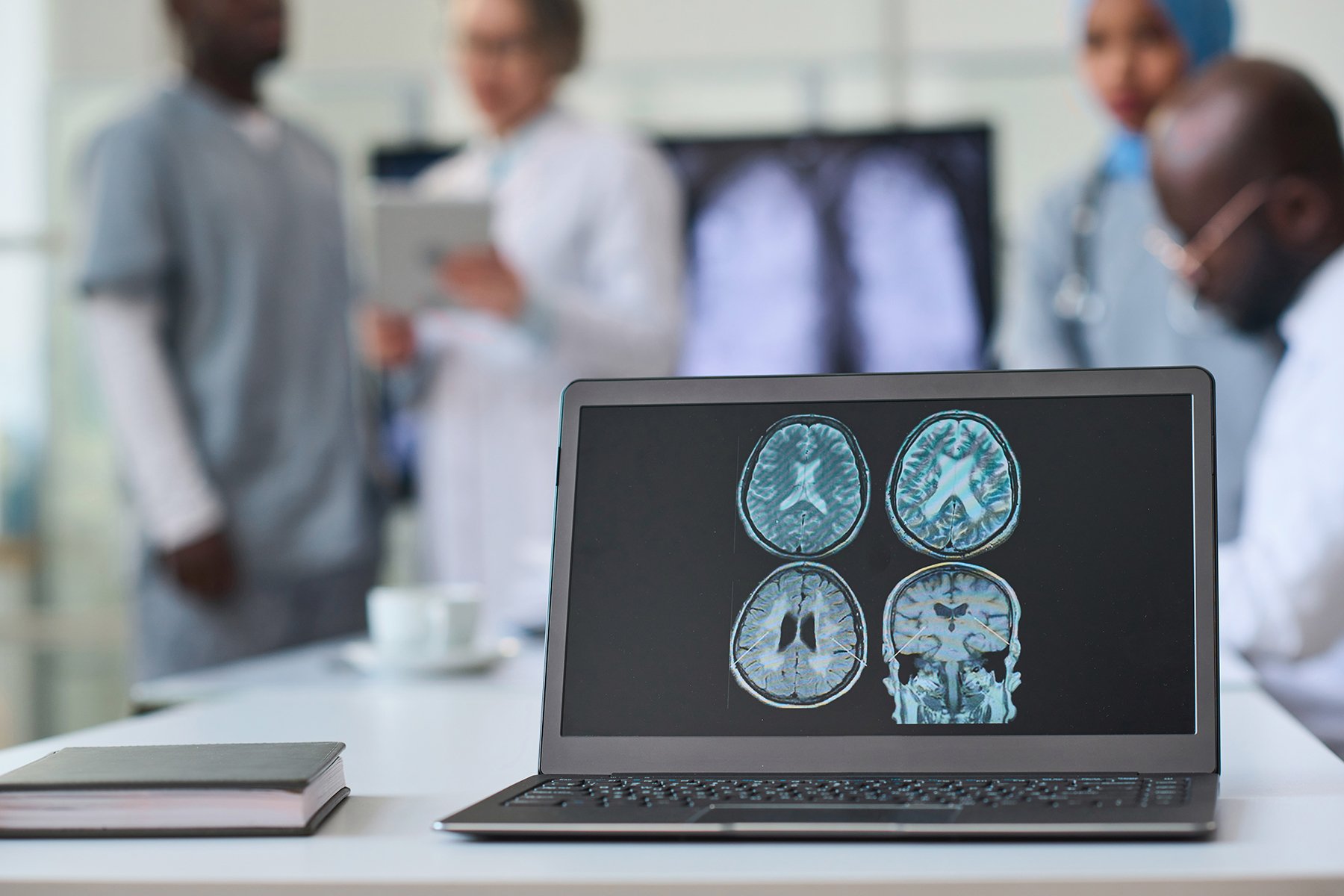
Why Dr. Babu offers a second-opinion service (available nationwide)
Patients with trigeminal neuralgia often want:
a clear explanation of the diagnosis in plain English
a careful look at MRI/CT imaging and reports
a surgeon-level review of all appropriate options, not just one path
Dr. Babu is based in New York City, but this service is set up so patients across the U.S. can get a second look without traveling. You securely submit your records, explain your questions, and receive a clear written review based on what you provide.
Dr. Babu is listed as a neurological surgery specialist in the NYC Health + Hospitals system and serves as Director of Neurosurgery at BronxCare.
How to get started
Upload your records and imaging
MRI/CT reports and images (when available)
neurology/neurosurgery notes
medication history and side effects
prior dental work and pain management history (if relevant)
Tell us your questions
Examples:“Do my symptoms fit classic trigeminal neuralgia?”
“Does my MRI support neurovascular compression?”
“Is surgery reasonable for me, or should we adjust meds first?”
“What are the realistic tradeoffs between MVD, radiosurgery, and rhizotomy?”
Receive a written second-opinion summary
You’ll get a clear, written review based on what you submit, including suggested questions to bring back to your treating team.
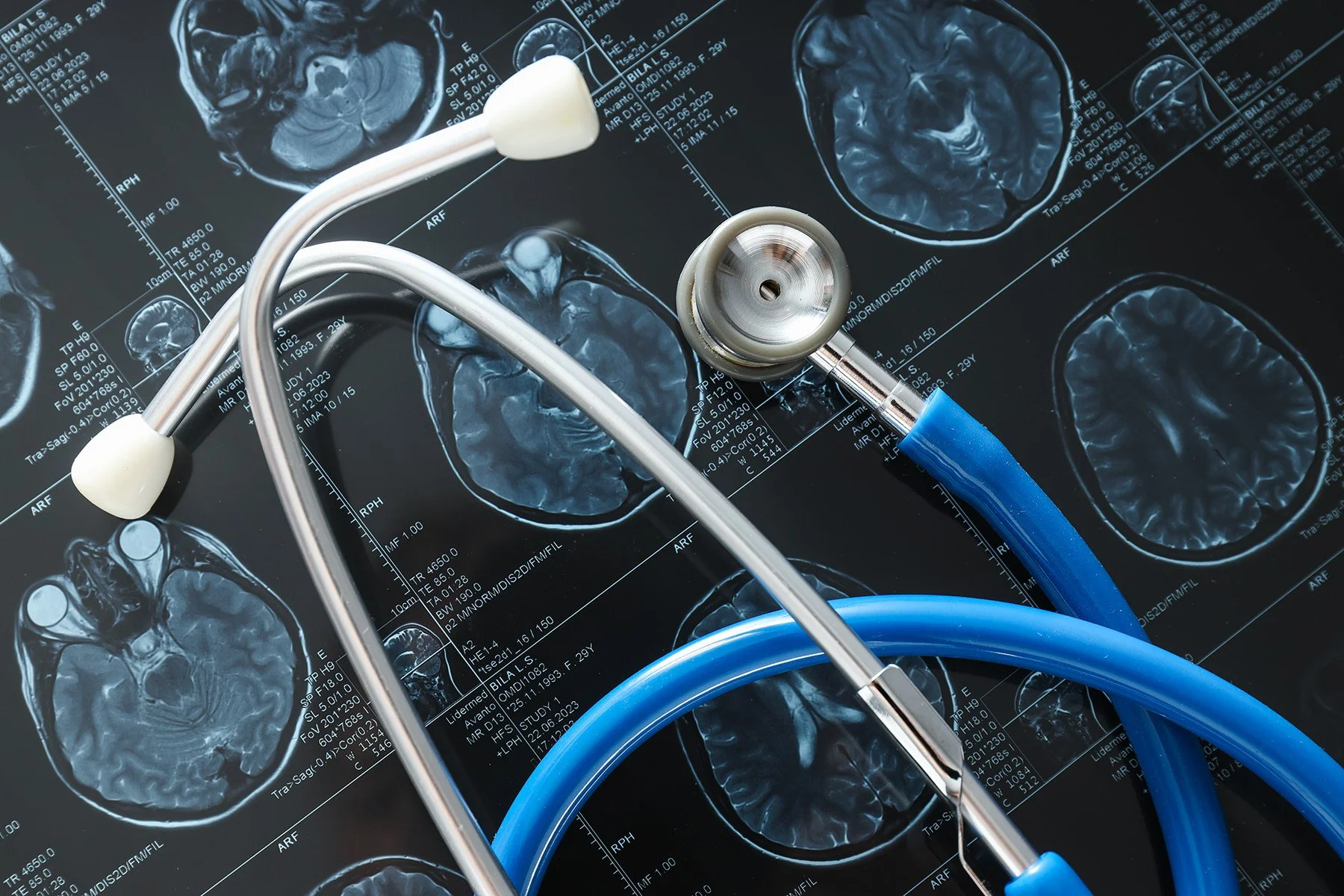
What to expect from the second opinion
A strong TN second opinion typically includes:
1) Diagnosis clarity
Whether your history fits trigeminal neuralgia criteria or suggests another facial pain condition
Any red flags that should change the workup
2) Imaging review (when provided)
What the MRI/CT report says
What matters for TN decision-making
Whether findings align with your symptoms (side, nerve branch distribution, triggers)
3) A treatment-pathway explanation
You’ll understand:
what reasonable next steps are
what options are typically considered before a procedure
when procedures may be appropriate and why
4) A practical decision checklist
You should walk away knowing:
what to ask your current doctor
what additional records or imaging might help
what risks and benefits you should understand before moving forward
Important note: This is a records-based medical opinion and does not replace emergency care or a local in-person exam when needed. If you have rapidly worsening symptoms or new neurologic deficits, seek urgent evaluation.
Resources
American Medical Association: Second opinions are a good idea, but there are caveats
Mayo Clinic News Network: Why second opinions are good for patients (Mayo study summary)
National Academies: Improving Diagnosis in Health Care (project)
BMJ Quality & Safety: National estimate of serious harms from diagnostic error